Why Durango Homeowners Are Choosing Deck Staining Over Replacement
The High-Altitude Truth About Deck Staining in Durango, CO
If you own a home in Durango, your deck is fighting a battle most people never see coming. The same dramatic mountain environment that makes Southwest Colorado so breathtaking is quietly destroying unprotected wood every single day. At Bare Wood Fine Finishing LLC, we see the results constantly: decks that looked fine last fall, cracked, greyed, and peeling by the following summer. The good news? This kind of damage is almost entirely preventable, and professional deck staining in Durango, CO is the most effective tool available to homeowners who want to protect their outdoor investment.
Here is what you actually need to know about protecting your deck at altitude, and why the approach matters as much as the product.
What Makes Durango So Hard on Exterior Wood
Most homeowners understand that sunlight fades things over time. What they don't fully appreciate is how dramatically the rules change at elevation.
Durango sits at approximately 6,512 feet above sea level. At that altitude, there is significantly less atmosphere filtering incoming solar radiation. The result is that exterior wood surfaces in Durango receive roughly 25% to 30% more intense UV radiation than they would at sea level. That alone would be a serious challenge. But ultraviolet intensity is only part of the problem.
Add in the region's daily temperature swings of 40 to 50 degrees Fahrenheit, and you have a situation where wood fibers are constantly contracting and expanding. Then layer on heavy winter snowpack pressing against deck boards for months, followed by rapid spring thaw, then the dry air of early summer, then afternoon monsoon rains in July and August. The wood never gets a break. It is perpetually moving, wetting, drying, and baking.
Standard retail-grade stains and sealers were not designed for this kind of punishment. They crack, peel, and fail far sooner than their labels suggest, leaving bare wood exposed to moisture infiltration and the early stages of rot.
Why Preparation Is the Most Important Step Most Homeowners Skip
There is a common misconception that deck maintenance means renting a pressure washer in the spring, blasting the surface clean, and rolling on a fresh coat of stain from a big-box store. This approach feels productive and looks decent for a few weeks. But it almost always leads to premature failure.
Here is why: if you apply a new coating over an old, failing layer, you are not actually protecting the wood. You are trapping moisture between incompatible coatings and giving the new product nothing solid to adhere to. Within a season, the whole system begins to peel again, often worse than before.
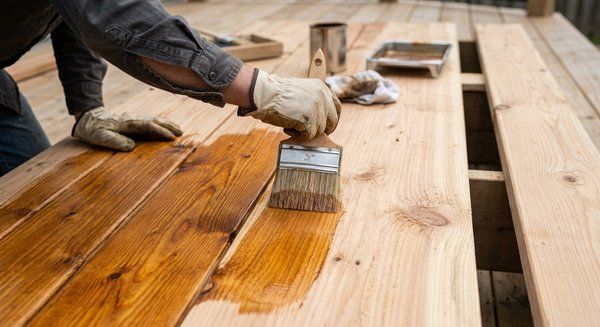
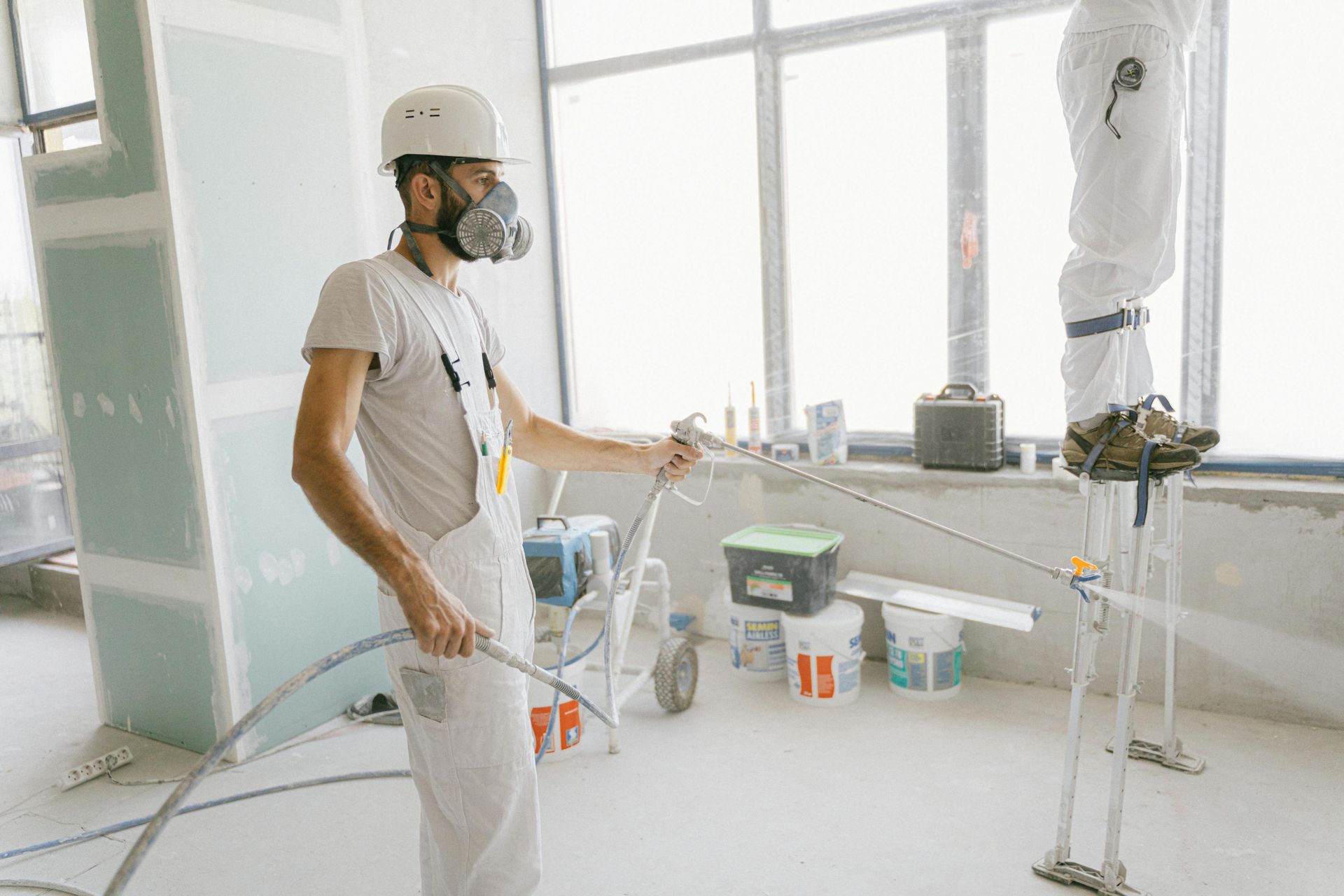
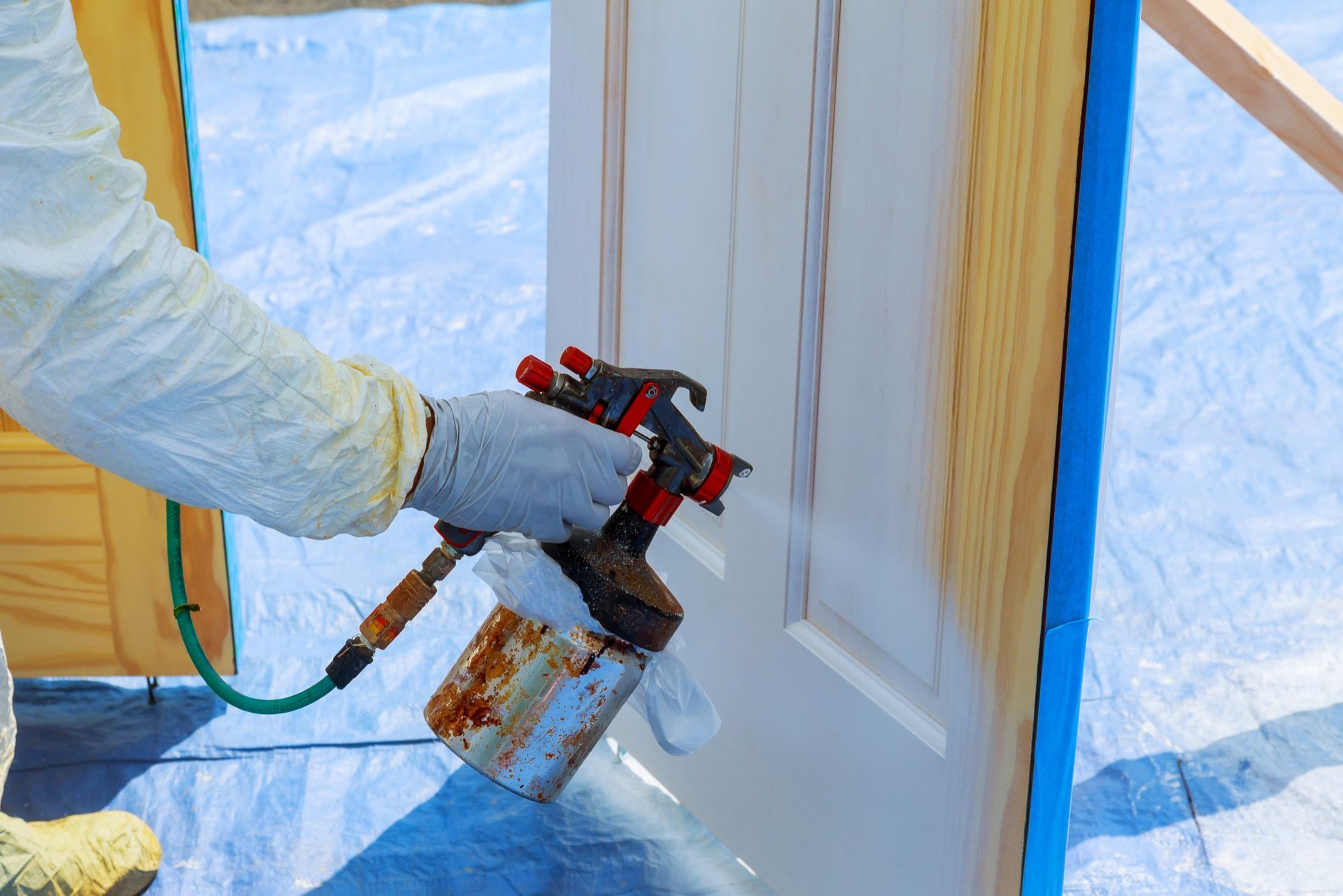
Professional preparation means stripping old coatings down to the actual wood fiber. It means brightening and cleaning the surface so the wood pores are open and ready to absorb a new treatment. It means allowing proper dry time and checking moisture content before a single drop of new product is applied. This level of preparation is what separates a finish that lasts two to three years from one that lasts eight to ten.
Choosing the Right Product for Colorado's Climate
Once the surface is properly prepared, product selection becomes critical. In a high-altitude, high-UV environment like Durango, the best performing options tend to fall into two categories:
- Deep-penetrating oil-based sealants: These work by saturating the wood fibers themselves rather than sitting on top as a film. Because they flex with the wood as it expands and contracts, they resist cracking far better than surface-film products.
- Elastomeric or premium flexible acrylic coatings: These are designed to stretch and move with the substrate. When formulated specifically for UV-heavy environments, they provide exceptional fade resistance and moisture protection.
The key in either case is that the product must be rated for high-UV exposure and extreme temperature variation. What performs well in a coastal climate or a low-elevation suburb may last only a fraction of its rated lifespan here in Southwest Colorado.
A professional finisher also factors in wood species, the deck's sun exposure and orientation, and whether the surface is horizontal (which takes the most punishment from direct sun and standing water) or vertical. These details make a real difference in both product selection and application technique.
The Real Cost of Waiting
Deck replacement in the Durango area is not cheap. Depending on size, materials, and contractor availability, a full deck rebuild can easily run $15,000 to $40,000 or more. Compare that to the cost of consistent professional maintenance, and the math becomes very clear, very fast.
The window between "this deck needs staining" and "this deck needs replacing" is often shorter than homeowners expect. Once moisture has worked its way into bare wood through cracked or absent coatings, rot can set in within a single season. What starts as a cosmetic problem can become a structural one quickly, particularly on older decks where the ledger board and joists may already be under stress.
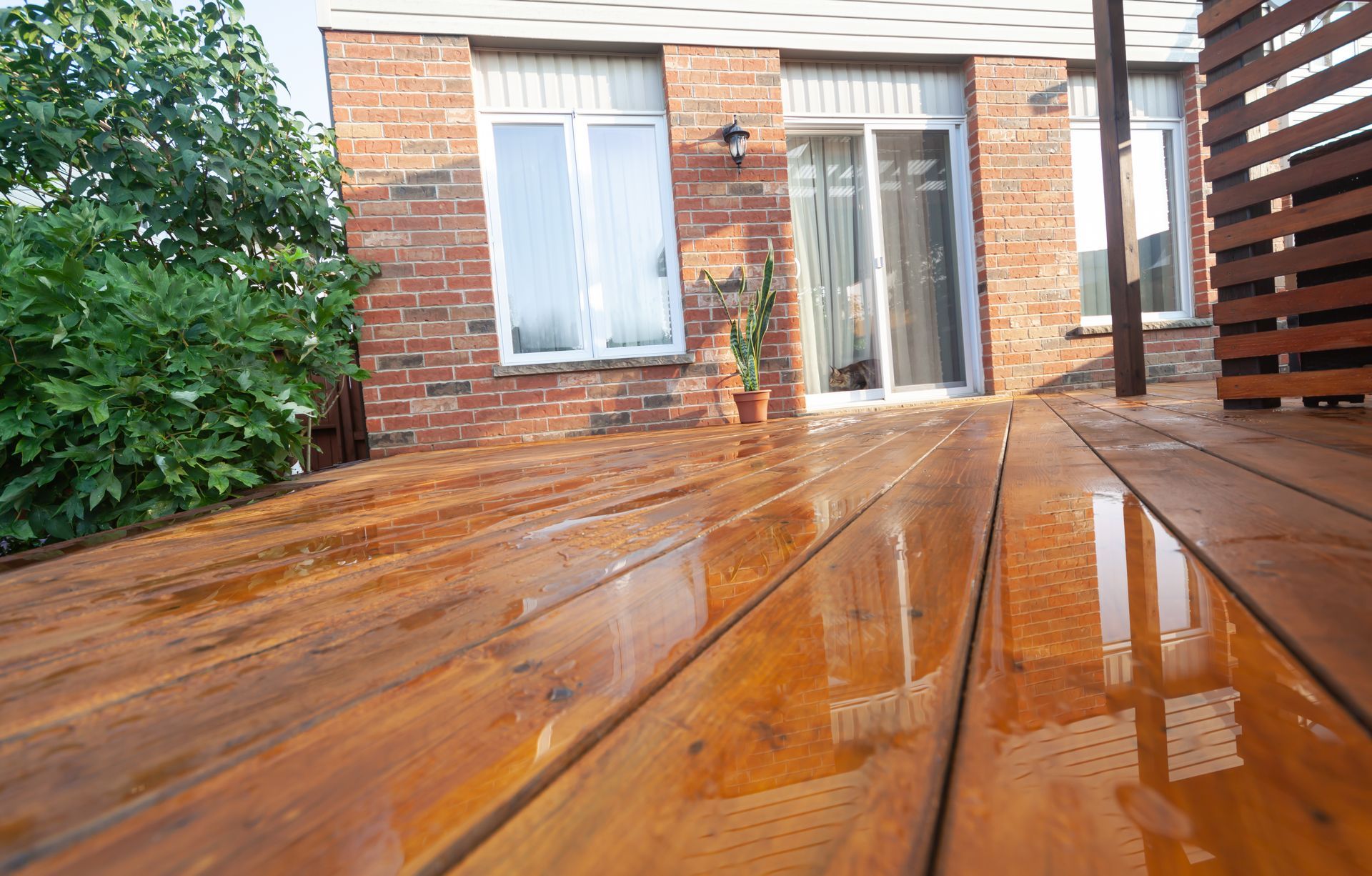
Consistent professional maintenance, starting with proper stripping and preparation and using premium, climate-appropriate products, is how homeowners in Durango extend deck life by decades rather than years.
Frequently Asked Questions (FAQs)
How often should I have my deck professionally stained in Durango?
Given Durango's intense UV exposure and temperature swings, most wood decks benefit from professional inspection every two years and a full refinishing every three to five years, depending on the product used and the deck's exposure. Horizontal surfaces wear faster than vertical ones.
Can I stain my deck myself, or should I hire a professional?
DIY staining is possible, but proper surface preparation, which involves stripping old coatings, brightening the wood, and checking moisture levels, requires specific equipment and experience. Skipping these steps is the leading cause of premature coating failure in this climate.
What is the best time of year to stain a deck in Durango?
Late spring through early fall is generally ideal, when temperatures are consistently above 50 degrees and rain is not in the forecast for at least 48 to 72 hours. Avoiding direct midday sun during application also helps the product penetrate more evenly.
Does power washing alone count as proper deck preparation?
No. Power washing removes surface dirt and loose material, but it does not strip old failing coatings or open wood pores for proper absorption. It can actually raise wood grain and introduce moisture if not followed by adequate drying time and proper prep work.
Are there eco-friendly stain options that still perform well at altitude?
Yes. Several premium water-based formulations offer low-VOC profiles while still delivering excellent UV resistance and flexibility. A professional finisher can help you choose a product that meets both performance and environmental standards.
Your deck deserves more than a seasonal coat of whatever is on sale. It deserves a system designed specifically for life at altitude.
Get a Professional Deck Staining Estimate in Durango