Deck Staining Durango: Protect Your Wood at 6,500 Feet
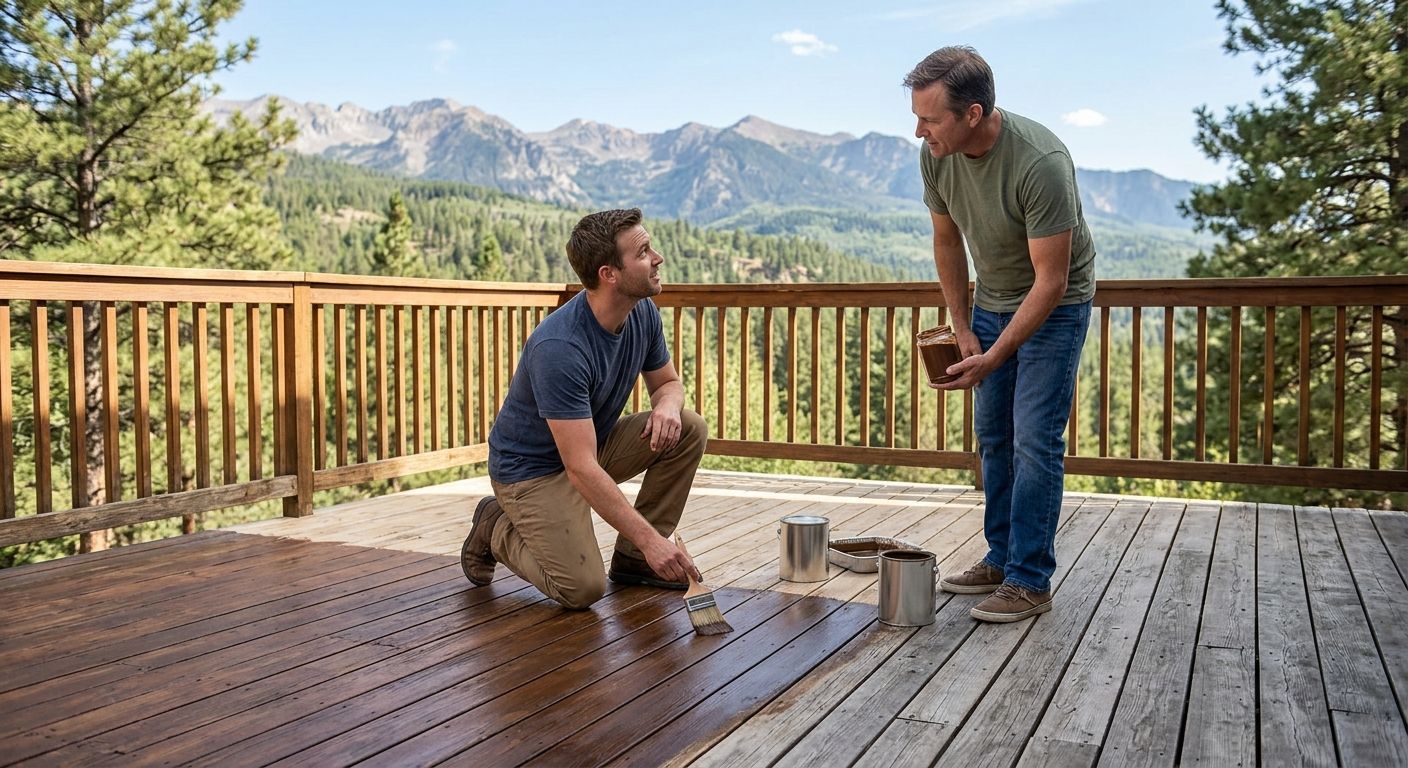
Deck staining in Durango is not the same job it is at sea level. The combination of intense UV radiation, rapid moisture evaporation, and dramatic temperature swings means most standard finishes fail far sooner than homeowners expect.
At roughly 6,512 feet of elevation, the atmosphere above Durango is thinner. That thinness is beautiful in terms of the views. But it also means your deck absorbs punishment that lower-elevation wood never faces.
Bare Wood Fine Finishing LLC was built specifically to address these conditions, and understanding what your deck is up against is the first step toward protecting it correctly.
Why Mountain Decks Fail Faster Than You Think
The physics of high altitude work against standard coatings in three distinct ways.
First, Durango's low atmospheric pressure causes paint solvents and water to evaporate extremely fast. This rapid drying prevents a stain or sealer from self-leveling properly. The result is uneven absorption, brush drag marks, and trapped air bubbles that break open under direct sun.
Second, UV radiation here is genuinely intense. The thin mountain air filters out far less solar energy than the atmosphere at lower elevations does. This UV bombardment breaks down the chemical binders in standard deck stains, causing premature fading, chalking, and surface degradation. South- and southwest-facing deck boards often show visible graying and splitting long before the rest of the structure.
Third, temperature swings are severe. A warm Durango afternoon can give way to a freezing night within hours. Wood expands and contracts with each cycle. Any coating that lacks flexibility simply cracks under that repeated stress.
The Real Problem With Film-Forming Stains and Solid Sealers
Many homeowners reach for a solid, paint-like stain because the finish looks clean and smooth at first application. The trouble starts during Durango's summer heat.
Film-forming coatings sit on top of the wood rather than penetrating it. Over time, seasonal moisture gets trapped beneath that surface layer. When the sun heats the deck, that trapped moisture vaporizes and expands. It forces the film to bubble, crack, and peel from the inside out. Once peeling starts, you cannot simply recoat. The old material must be stripped completely before anything new will bond.
This is an expensive cycle. Stripping, sanding, and recoating a peeling deck costs significantly more than maintaining a penetrating stain on a regular schedule.
Penetrating Stains: The Right Solution for Durango Decks
High-altitude finishing professionals consistently recommend tinted penetrating oil stains for exterior wood in Southwest Colorado.
Here is why they outperform film-forming products in this climate:
- They sink into the wood fibers rather than forming a skin on top.
- The wood can still breathe and move naturally through freeze-thaw cycles.
- Pigmentation in the stain blocks UV rays from degrading the wood cells beneath.
- Recoating is simpler. There is no brittle layer to strip when the time comes.
One important note on pigmentation: clear sealers and ultra-light stains do not carry enough pigment to block UV radiation effectively. A light-to-medium tinted stain is the minimum protection level for exposed Durango decks. Clear sealers may bead water perfectly but leave the wood vulnerable to graying and splitting from solar exposure.
For a full look at the options available for your specific deck and wood type, visit the
deck staining Durango service page to see how professional finishing is done right the first time.
How to Tell If Your Deck Needs Refinishing Now
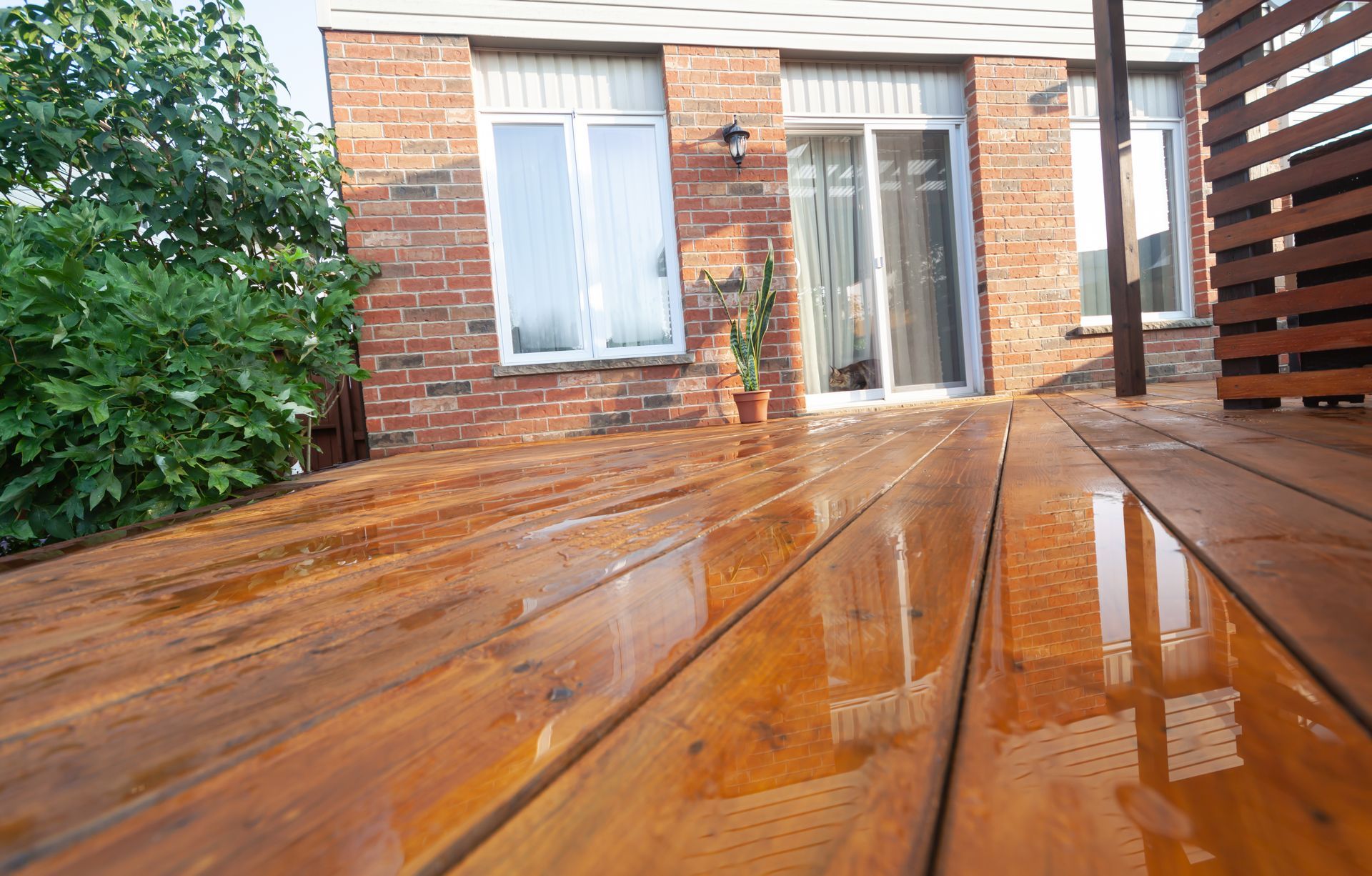
There is a simple field test every Durango homeowner can perform before calling a professional. Splash a small amount of water directly onto your deck boards.
If the water beads up and rolls off, your existing finish is still doing its job. If the water soaks into the wood within a few seconds, the finish has failed. That wood is now exposed to moisture intrusion, freeze-thaw damage, and biological growth like mold and rot.
Other visible warning signs include:
- Grayish or silver discoloration on the wood surface
- Visible cracks or splinters along the grain
- Peeling or flaking layers of old stain or sealer
- A dull, flat appearance where the surface used to have some sheen
If two or more of these signs are present, refinishing should not wait. Damaged wood that absorbs a Durango winter unprotected becomes a structural problem. That is no longer a cosmetic issue.
Timing, Prep, and the Details That Decide the Outcome
Proper preparation accounts for the majority of a quality deck stain's lifespan. No amount of premium product will compensate for poor surface prep.
Professional refinishing typically follows this sequence. The deck is pressure washed to remove dirt, mildew, and loose material. Any damaged or soft boards are repaired or replaced. The surface is allowed to dry fully before any stain is applied. Mid-morning application works best. It avoids early dew and peak afternoon UV, giving the stain time to penetrate before the sun drives off solvents too quickly.
Temperature also matters. Stain should not be applied when surfaces are below 50 degrees Fahrenheit or when rain is forecast within 24 hours. Spring and early fall are generally ideal windows in the Durango area, though late summer applications can work with careful scheduling.
Frequently Asked Questions (FAQs)
How often does a deck in Durango need to be restained?
Most penetrating stains on Durango decks need reapplication every two to three years, depending on sun exposure, foot traffic, and the specific product used. High-exposure south-facing decks may need attention sooner. The water bead test is the most reliable way to check whether it is time.
Can I stain my deck myself, or should I hire a professional?
Simple maintenance recoats on well-prepared wood are manageable for a DIY homeowner. However, if the deck has peeling, graying, or structural damage, professional preparation and application will produce a far more durable result. At high altitude, application errors are harder to correct because the stain dries so fast.
What color stains work best for Durango decks in 2026?
Medium-toned warm browns and natural cedar tones remain popular because they complement the surrounding San Juan Mountain landscape. Darker tones absorb more heat, which can accelerate moisture vaporization on south-facing surfaces. A professional can help match color to exposure level and wood species.
Does pressure washing alone restore a weathered deck?
Pressure washing removes surface contaminants and loose material, but it does not restore UV-damaged wood fibers or replace a failed finish. After washing and drying, refinishing with a quality penetrating stain is still necessary to protect the wood going forward.
Does Bare Wood Fine Finishing LLC service areas outside Durango?
Yes. The company serves Durango, Bayfield, and Hermosa, covering a range of residential and commercial properties across Southwest Colorado.
Your deck represents a real investment in one of the most beautiful outdoor environments in Colorado. Protecting it with the right finish, applied at the right time, keeps that investment sound through every season.
Reach out to Bare Wood Fine Finishing LLC to schedule a professional deck assessment and get a refinishing plan built for the altitude.